Blog › Nutrition
Best Foods for Heart Health
Cardiovascular disease remains the leading cause of death globally — yet diet accounts for a significant share of modifiable risk. These foods have the strongest evidence for protecting your heart, whether you're starting from scratch or fine-tuning an already decent diet.
Why Waist Metrics and Heart Health Are Connected
Your WHR and WHtR results are more than just body shape indicators — elevated waist circumference is directly linked to visceral fat accumulation, which drives inflammation, insulin resistance, and the lipid abnormalities that damage arterial walls. Diet is the most powerful lever for reducing visceral fat.
The foods below don't just improve lipid panels on paper. They reduce systemic inflammation, improve endothelial function, and lower blood pressure through mechanisms that drugs often cannot fully replicate.
1. Fatty Fish (Salmon, Mackerel, Sardines)
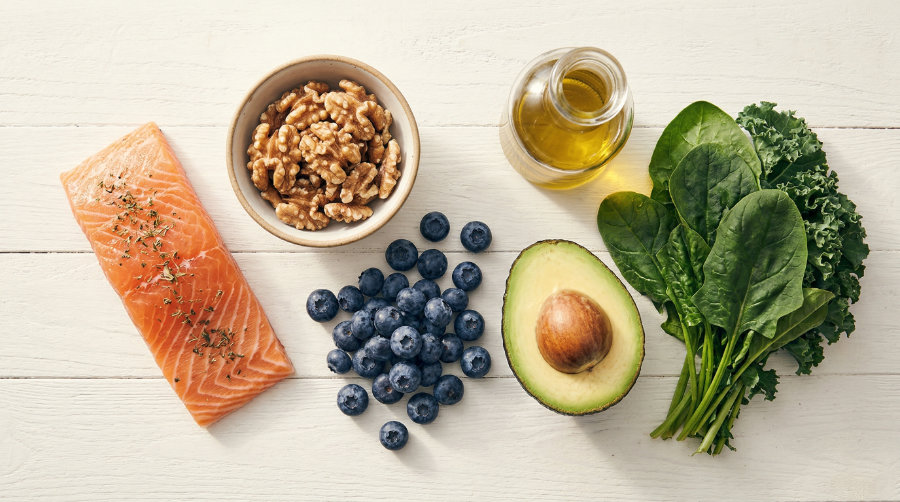
The omega-3 fatty acids EPA and DHA found in fatty fish reduce triglycerides, lower blood pressure, decrease platelet aggregation, and reduce inflammation — a near-perfect cardiovascular intervention in food form. Two 140g servings per week is the minimum recommended by most cardiac health organizations.
Fresh, frozen, or canned all work. Sardines and mackerel deliver similar omega-3 concentrations at a fraction of salmon's cost. Avoid fish high in mercury (swordfish, shark, king mackerel) if consuming frequently.
2. Berries (Blueberries, Strawberries, Raspberries)
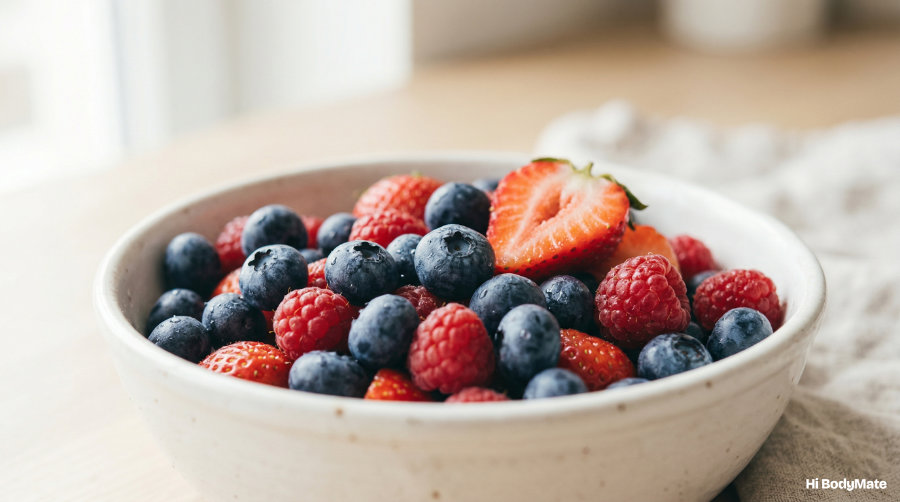
Berries are among the richest dietary sources of anthocyanins — polyphenols that improve endothelial function (the health of your arterial lining) and reduce oxidative stress. Regular berry consumption has been associated with reduced LDL oxidation, lower blood pressure, and improved arterial flexibility in clinical trials.
A cup (150g) of mixed berries daily is an achievable and evidence-backed target. Frozen berries retain their polyphenol content and are significantly cheaper than fresh.
3. Leafy Greens (Spinach, Kale, Swiss Chard)
High in nitrates, folate, potassium, and vitamin K1, leafy greens support multiple cardiovascular pathways simultaneously. Dietary nitrates are converted to nitric oxide in the body, which relaxes and dilates blood vessels. Folate reduces homocysteine, a marker linked to arterial damage. Potassium counters the blood pressure-raising effects of sodium.
300–400g of leafy greens per day is a realistic target. Raw in salads, wilted into eggs, or blended into smoothies — all options preserve the benefits.
4. Oats and Whole Grains
Beta-glucan, the soluble fiber found in oats, forms a gel in the digestive tract that binds to LDL cholesterol and removes it before it can be absorbed. Meta-analyses show that 3g of beta-glucan daily (about 75g of dry oats) reduces LDL by 5–10% — meaningful without side effects.
Whole barley, rye bread, and oat bran are additional beta-glucan sources. Replace processed breakfast foods with oatmeal and the cardiovascular benefit is measurable within 4–6 weeks.
5. Olive Oil (Extra Virgin)
The PREDIMED trial — one of the largest dietary intervention studies ever conducted — found that a Mediterranean diet supplemented with extra virgin olive oil reduced major cardiovascular events by roughly 30%. The primary mechanism is oleocanthal, a polyphenol with anti-inflammatory properties similar to ibuprofen, combined with oleic acid which reduces LDL oxidation.
Use it as your primary cooking fat and as a finishing oil on salads and vegetables. Heat doesn't destroy the polyphenols at typical cooking temperatures. The key is quality — look for "cold-pressed" and a harvest date within the past year.
6. Nuts (Walnuts, Almonds, Pistachios)
Walnuts are particularly rich in ALA (plant-based omega-3) and have the strongest cardiovascular evidence among nuts. Almonds reduce LDL and improve glycemic control. All nuts provide fiber, plant sterols, and magnesium — each contributing to cardiovascular protection.
30g per day (a small handful) is the dose used in most studies. The calories are real, but the cardiovascular benefit is consistent enough that most guidelines now explicitly recommend daily nut consumption.
7. Avocado
Rich in monounsaturated fats, potassium (more than bananas), and fiber, avocados reduce LDL and raise HDL simultaneously — a rare combination in a single food. Clinical trials show that daily avocado consumption reduces small, dense LDL particles, which are particularly atherogenic.
Your WHR and WHtR scores are direct indicators of cardiovascular risk. Know where you stand.
Calculate your WHR →8. Dark Chocolate (70%+ Cacao)
Flavanols in high-cacao chocolate improve endothelial function, reduce blood pressure, and have antioxidant activity. The evidence is genuine but dose-dependent — 20–30g of 70%+ chocolate daily provides benefit. Below that threshold, too much added sugar and saturated fat undermine the effect. This is not a green light for milk chocolate bars.
The Pattern Matters More Than Any Single Food
No individual food is a silver bullet. The most consistent finding in nutritional cardiology is that dietary patterns — the totality of what you eat regularly — predict cardiovascular outcomes better than any single food or nutrient.
The Mediterranean pattern (high olive oil, fish, vegetables, legumes, nuts; low processed meat and refined carbohydrates) has the strongest and most replicated evidence base. These foods aren't a supplement to that pattern — they are the pattern.