Blog › Nutrition
Best Foods for Weight Loss That Actually Work
Sustainable fat loss isn't about eating less of everything — it's about eating more of the right things. These foods keep you full, support your metabolism, and make a calorie deficit feel less like deprivation.
Why Food Choice Matters More Than Willpower
Most diets fail not because people lack discipline, but because they're fighting biology. Hunger hormones like ghrelin push back against restriction. The fix isn't more willpower — it's choosing foods that work with your satiety signals instead of against them.
The foods below share three key properties: high satiety per calorie, low energy density, and metabolic benefits that go beyond just "fewer calories in."
1. Eggs
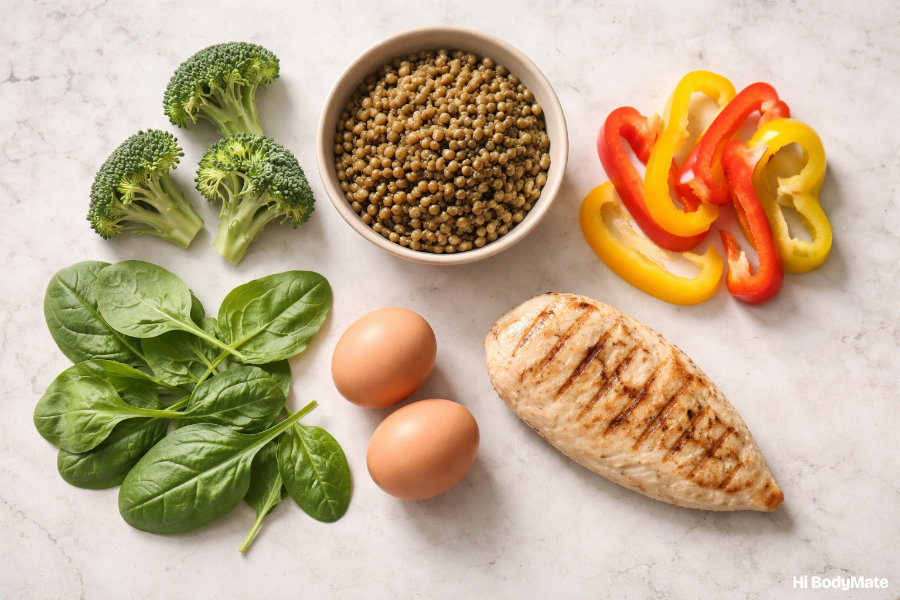
Few foods suppress hunger as effectively as eggs. Rich in protein (6g per egg) and healthy fats, they slow gastric emptying and keep appetite-regulating hormones in check for hours. Studies comparing egg breakfasts to calorie-matched carbohydrate breakfasts consistently show lower caloric intake for the rest of the day in the egg group.
Don't skip the yolk — it contains most of the fat-soluble vitamins and choline, which supports liver function and fat metabolism.
2. Leafy Greens
Spinach, kale, arugula, and Swiss chard have almost no caloric impact while providing significant volume, fiber, and micronutrients. You can eat a full plate of spinach for 20–30 calories. The fiber slows digestion, feeds beneficial gut bacteria, and blunts post-meal blood sugar spikes.
Use them as a base instead of a side. A salad that starts with 200g of leafy greens creates a mechanical fullness that helps you eat less of everything else.
3. Lean Protein (Chicken Breast, Turkey, White Fish)
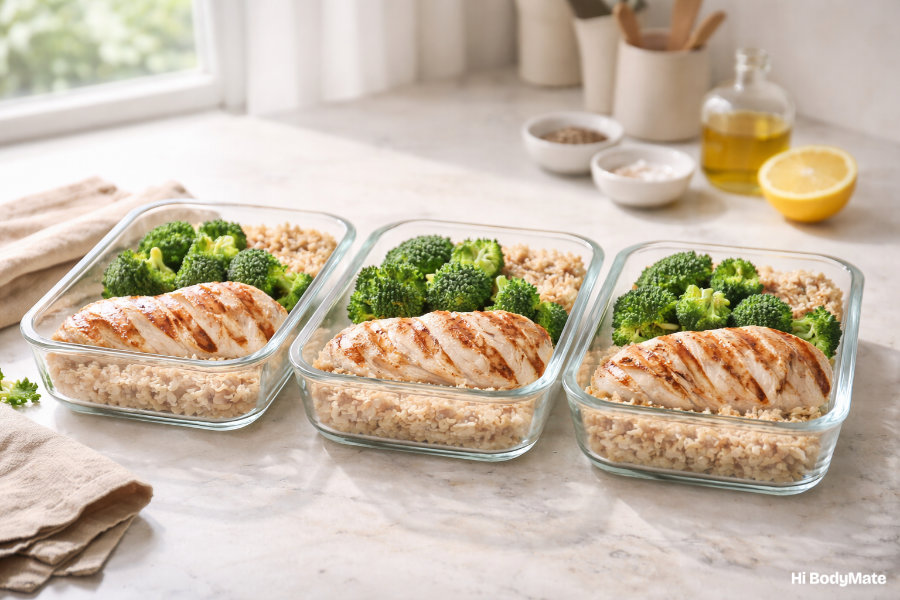
Protein has the highest thermic effect of food — your body burns roughly 20–30% of protein calories just digesting it. It's also the most satiating macronutrient by a significant margin. Hitting 1.6–2g of protein per kilogram of body weight while in a caloric deficit preserves muscle mass, which keeps your metabolic rate from dropping.
Practical target: aim for 25–40g of protein per meal. That's roughly a palm-sized serving of chicken, turkey, or white fish.
4. Legumes (Lentils, Chickpeas, Black Beans)
Legumes offer a rare combination: high in both fiber and protein, slow to digest, and extremely cheap. A cup of cooked lentils provides 18g of protein and 16g of fiber for under 230 calories. The resistant starch in beans also feeds beneficial gut bacteria and has been linked to improved insulin sensitivity.
If bloating is a concern, start with smaller portions and rinse canned beans thoroughly. The gut adapts within a few weeks.
5. Whole Grains (Oats, Quinoa, Brown Rice)
Not all carbohydrates are the same. Whole grains digest more slowly than their refined counterparts, producing a gradual glucose rise that avoids the energy crashes and rebound hunger of processed carbs. Oats in particular contain beta-glucan, a soluble fiber that's been shown to improve satiety and reduce LDL cholesterol.
Replace white bread and white rice with oats, brown rice, or quinoa — same meals, significantly better glycemic response.
6. Cruciferous Vegetables (Broccoli, Cauliflower, Brussels Sprouts)
High in fiber, high in volume, very low in calories. A cup of steamed broccoli is 55 calories. These vegetables also contain compounds like sulforaphane that support liver detoxification and may have anti-inflammatory effects. Their fiber content promotes a robust gut microbiome, which emerging research links to better appetite regulation.
Know your body composition before building your nutrition plan — it changes everything.
Run all 5 calculators free →7. Greek Yogurt
Plain, full-fat Greek yogurt provides 15–20g of protein per serving, plus probiotics that support gut health. Its thick texture slows eating pace, which itself contributes to feeling satisfied. Avoid flavored varieties — they often contain as much sugar as a dessert, erasing the metabolic benefit.
8. Nuts and Nut Butters (in moderation)
Counterintuitively, regular nut consumption is associated with lower body weight in epidemiological studies. The combination of protein, fat, and fiber creates exceptional satiety. The key is portion control — nuts are calorie-dense (160–200 cal per 30g), so measure rather than eat from the bag. A small handful before meals can reduce total meal intake.
The Common Thread
Every food on this list either keeps you full longer, preserves muscle during a deficit, or both. Combined with a genuine caloric deficit (even a modest 300–500 cal/day below maintenance), these foods make the process sustainable rather than miserable.
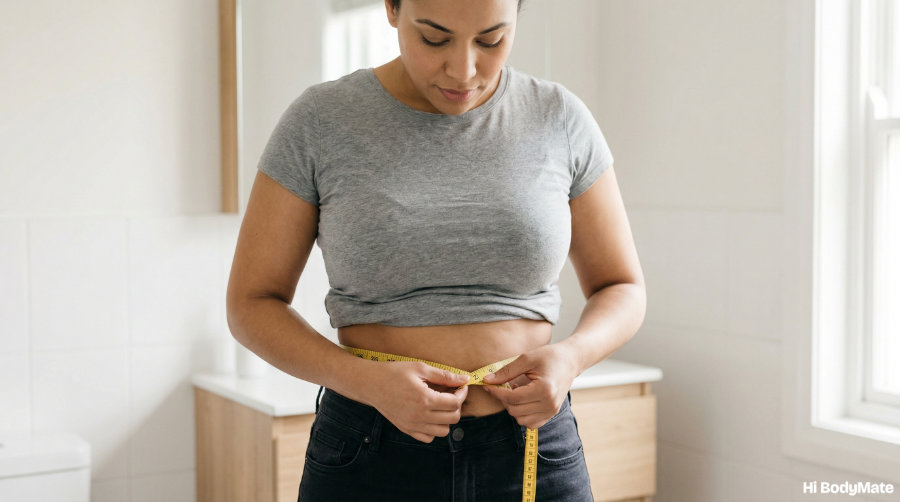
Track your waist circumference monthly alongside weight — it's a much better indicator of fat loss than the scale alone. Your WHtR and WHR are particularly sensitive to abdominal fat changes.