Blog › Measurement
The Right Way to Measure Body Fat at Home
Tape measure, scale, or calipers? We break down the accuracy, cost, and effort required for each method — so you can pick the one that fits your routine and actually stick with it.
Why Measurement Method Matters
Body fat percentage is one of the most informative health metrics you can track — but only if you measure it consistently. The biggest mistake people make isn't choosing the "wrong" method. It's switching between methods and comparing results as if they're equivalent. They're not.
Each method has its own error margin, assumptions, and ideal use case. Here's how the most practical at-home options stack up.
Method 1: Circumference Measurements (Tape Measure)
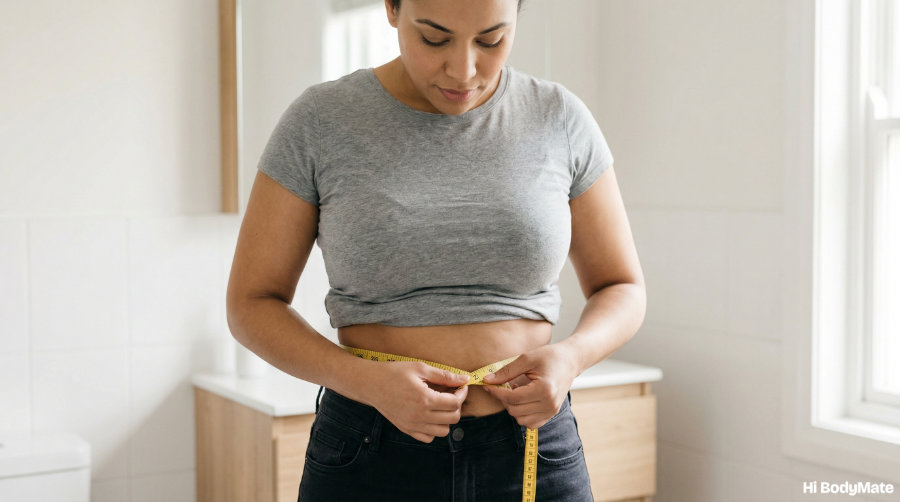
This is the approach used by both the US Navy Body Fat method and the BAI (Body Adiposity Index). You measure specific body circumferences — waist, neck, hip — and plug them into a validated formula.
- Accuracy: ±3–4% body fat for most people
- Cost: A soft measuring tape (~$2)
- Effort: Low — 2–3 measurements, takes under 2 minutes
- Best for: Tracking trends over time; no equipment required beyond a tape
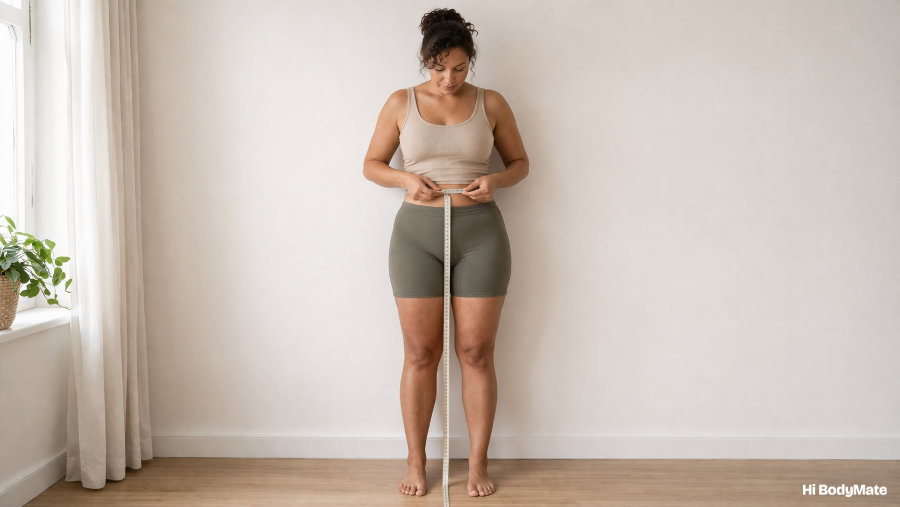
The key is technique consistency. Measure at the same time of day, in the same location, with the tape at the same angle. Our measurement guide shows exactly where to place the tape for each measurement.
Method 2: Body Weight + Height (BMI / WHtR)
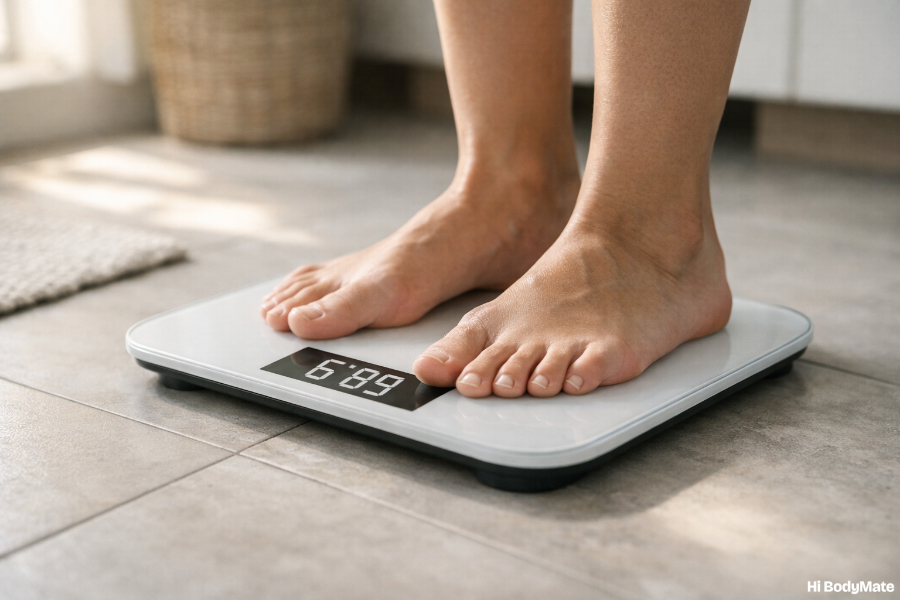
The most accessible method — all you need is a scale and a tape measure for height. BMI and WHtR both rely on weight and/or height data.
- Accuracy: BMI ±5–8% body fat estimate; WHtR doesn't estimate fat %, but predicts cardiometabolic risk reliably
- Cost: A bathroom scale (~$20–50)
- Effort: Minimal — step on the scale, measure height once
- Best for: Quick screening; long-term weight trend tracking
Weigh yourself at the same time every day — morning, after the bathroom, before eating. Daily weight can fluctuate 1–2 kg from water and food alone.
Method 3: Skinfold Calipers
Calipers measure the thickness of subcutaneous fat at specific sites (typically 3, 7, or 9 sites depending on the protocol). The readings feed into formulas that estimate total body fat.
- Accuracy: ±3–5% when done by an experienced measurer; ±6–8% when self-measured
- Cost: $10–30 for plastic calipers; $200+ for professional-grade metal
- Effort: High — requires practice, ideally a second person, and a consistent protocol
- Best for: Athletes working with a trainer or coach who measures them regularly
Self-administered calipers are notoriously inconsistent. If you go this route, have the same person measure you every time.
Method 4: Smart Scales (Bioelectrical Impedance)
Consumer smart scales send a weak electrical current through your body and estimate fat based on resistance. They're convenient but sensitive to hydration, meal timing, and foot placement.
- Accuracy: ±4–8% body fat; highly variable
- Cost: $30–150
- Effort: Low — step on and read
- Best for: Long-term trend observation, not point-in-time accuracy
The readings from smart scales are most useful when you look at the 30-day rolling average, not individual readings. Drink the same amount of water and measure at the same time each day.
Use the circumference-based methods right now — no equipment needed beyond a tape measure.
Open the calculators →Which Method Should You Use?
The honest answer: use whichever one you'll actually do consistently. A less accurate method tracked weekly beats a more accurate method used once.
Our recommendation for most people:
- Start with BMI + WHtR for a quick baseline — just weight, height, and waist circumference.
- Add the US Navy method if you want an actual body fat percentage estimate — it takes 3 extra measurements.
- Track monthly, not daily, and focus on the trend rather than any single reading.
Whatever you choose, the most important thing is to standardize your conditions: same time, same state, same technique every time.